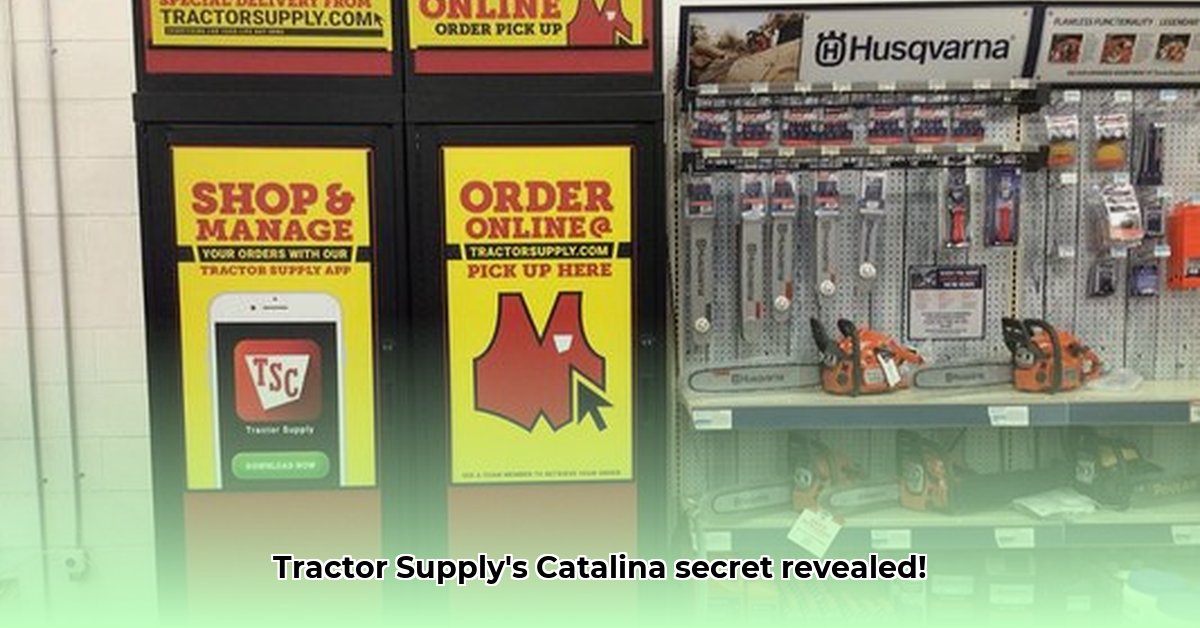
Tractor Supply's Rural Retail Dominance: A Case Study of Catalina
Tractor Supply Company (TSC) is a dominant force in rural retail, and its success in locations like Catalina, Arizona, exemplifies its strategic approach. This analysis examines TSC's position, identifying key strengths and weaknesses, and proposing actionable strategies for TSC, competitors, and consumers. But how sustainable is this dominance in a dynamic and evolving market? For a local example, check out this Granbury TSC page.
TSC's widespread network of stores provides unparalleled convenience for rural customers. However, this convenience alone may not be enough to ensure continued success in an increasingly competitive retail landscape. What other factors contribute to their prominence? And what challenges lie ahead?
The Catalina Challenge: Navigating a Competitive Landscape
While TSC enjoys a strong presence in Catalina, several challenges threaten its dominance. Smaller, specialized retailers offer deeper expertise in niche areas, potentially attracting customers seeking specialized products or services. Furthermore, the rise of e-commerce presents a significant competitive threat, particularly for everyday items, demanding TSC adapt its operational model. How can Tractor Supply effectively counter this rising competition and maintain its market share?
A key element of TSC's strength is its ability to combine mass-market appeal with specialized services. Offering repairs and equipment sales in addition to retail products creates a comprehensive hub for rural needs, simplifying life for its customer base. Yet, can this model alone stave off the pressures of a changing marketplace? Further research is needed to fully answer this question.
Strategies for Success: Short-Term and Long-Term Vision
The rural retail landscape is in constant flux, demanding continuous adaptation from both TSC and its competitors. The following strategies outline potential paths to sustained success.
Tractor Supply Company: Strategic Roadmap
Short-Term Goals (1-2 Years):
- Enhance Online Presence: Improve website functionality, streamline online ordering, and enhance the overall user experience.
- Targeted Marketing: Implement highly targeted online advertising campaigns focusing on specific customer needs and preferences.
- Expand Product Selection: Introduce additional product lines, including eco-friendly and sustainable options to meet shifting consumer demands.
- Service Optimization: Improve existing services, particularly equipment repair, to enhance customer satisfaction and loyalty.
Long-Term Goals (3-5 Years):
- Invest in E-commerce: Develop a state-of-the-art e-commerce platform with advanced features such as personalized recommendations and improved customer support.
- Cultivate Brand Loyalty: Implement a comprehensive loyalty program and engage in community initiatives to foster stronger customer relationships.
- Strategic Partnerships: Collaborate with niche suppliers to offer highly specialized products and expand the range of available goods.
- Expand Advisory Services: Offer expertise and guidance on sustainable farming practices, strengthening the value-proposition for rural clientele.
Strategies for Smaller Rural Retailers: Adapting to the Competition
Small rural retailers can thrive by leveraging their strengths and differentiating themselves from larger competitors. Key strategies include:
- Niche Specialization: Focus on a specific area of expertise, building deep knowledge and providing unparalleled service within this niche.
- Community Engagement: Cultivate relationships within the local community to establish loyalty and foster a sense of ownership.
- Leverage Online Marketplaces: Use platforms like Etsy or Shopify to expand reach beyond the immediate geographical area.
- Strategic Collaborations: Partner with complementary businesses to offer a broader range of products and services.
Consumer Expectations: A Shifting Demand
Consumers in rural areas demand both convenience and specialized knowledge. Additionally, there's a growing preference for sustainable and ethically sourced products. This shift in consumer behavior presents both opportunities and challenges for all retailers operating in the rural space. Understanding this dynamic is crucial to success.
Analyzing the Catalina Market: Unanswered Questions and Future Research
A complete understanding of TSC's position in Catalina requires further analysis. Key areas for future research include:
- Detailed Financial Performance: Secure specific revenue, profit, and market share data for the Catalina store.
- Comprehensive Competitive Analysis: Conduct a thorough assessment of all competitors, including a detailed breakdown of their market shares, strengths, and weaknesses.
- In-depth Customer Insights: Gather detailed customer data on demographics, shopping habits, and satisfaction levels.
- Supply Chain Transparency: Evaluate TSC's sustainability practices in Catalina, analyzing sourcing, production, and environmental impact.
This additional research, leveraging consumer surveys, financial modeling, and competitive benchmarking, will provide critical insights, allowing for a more robust assessment of TSC's prospects in Catalina and enabling a far more accurate predictive model.
Sourcing Sustainable Farming Supplies: A Critical Path for Tractor Supply Co.
Tractor Supply's influence extends beyond retail sales. Its ability to provide access to sustainable farming supplies significantly impacts rural agriculture. However, farmers often face difficulty finding eco-friendly options. TSC's role in facilitating this access is pivotal.
Building a Sustainable Supply Chain: Steps to Success
- Verification and Certification: Prioritize products with verifiable certifications like USDA Organic, guaranteeing compliance with sustainable practices.
- Cultivating Supplier Relationships: Develop strong relationships with suppliers dedicated to sustainability, ensuring transparency and ethical sourcing.
- Implementing Product Traceability: Employ tools to track products from origin to shelf, increasing consumer trust and promoting sustainable sourcing.
- Cost-Benefit Analyses: Educate farmers on the long-term economic advantages of sustainable practices, addressing upfront cost concerns.
- TSC's Leadership Role: Proactively promote sustainable farming through educational resources, partnerships with eco-conscious suppliers, and clear in-store product labeling.
Addressing Challenges and Capitalizing on Opportunities
Transitioning to sustainable agriculture faces obstacles. Farmer hesitation due to cost and information limitations needs to be addressed. However, the growing consumer demand for sustainably produced goods creates an opportunity for differentiation and market growth.
Actionable Steps for Tractor Supply Company: Driving Sustainable Growth
- Invest in Educational Resources: Create readily-accessible guides, workshops, and online resources to educate farmers about sustainable practices.
- Strategic Partnerships with Sustainable Suppliers: Actively partner with suppliers who are committed to environmental responsibility.
- Develop a Dedicated Sustainable Product Line: Create clearly defined sections in stores and online to highlight sustainably produced goods.
- Promote Transparency Through Comprehensive Labeling: Provide detailed information about product sourcing, production, and environmental impact.
- Financial Incentives: Consider offering discounts or financing options to encourage farmers to adopt sustainable practices.
TSC’s commitment to sustainable farming will significantly influence its long-term prospects in the rural retail sector. By embodying environmentally responsible practices, TSC can establish itself as a leader within the industry, setting a precedent for sustainable business models.